 Garage Door Repair Ocala
 DIY vs. Professional Garage Door Repair: What Ocala Homeowners Should Know
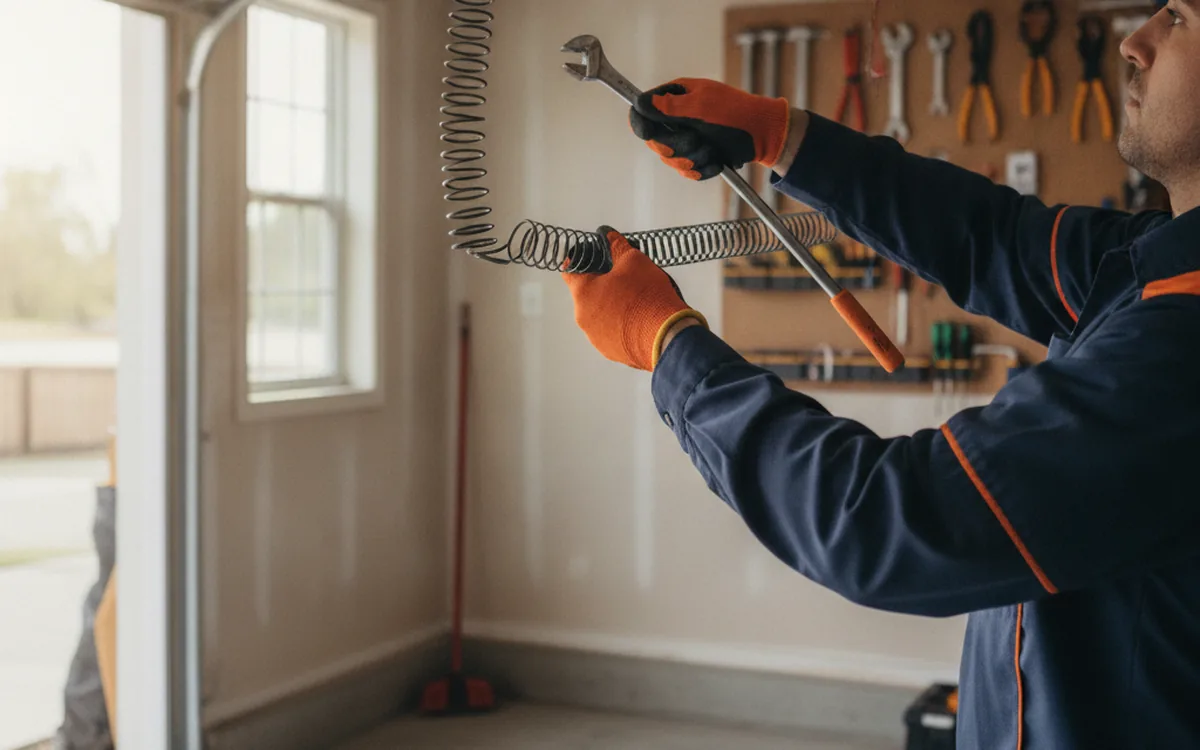
There’s a reason garage door repair videos rack up millions of views: on the surface, it looks like a mechanical, fixable-yourself kind of problem. A spring, some cables, a track, a motor. Nothing exotic. And for a certain slice of garage door issues, that instinct is right — a lot of what goes wrong with a door is genuinely simple to handle on your own.
But garage doors also hide one of the most dangerous DIY jobs in an average home: a torsion spring under enough tension to cause serious injury if it releases wrong. Knowing which category a given problem falls into is the whole game, so here’s an honest breakdown from years of Ocala service calls.
What’s Genuinely Safe to DIY
A surprising amount of garage door upkeep doesn’t touch anything under tension and is perfectly reasonable to handle yourself:
- Lubricating hinges, rollers, and tracks with a garage-door-rated silicone or lithium lubricant, a few times a year in Florida’s humidity.
- Cleaning safety sensor lenses — pollen and dust build up fast here and are the single most common cause of a door refusing to close.
- Replacing remote batteries or reprogramming a remote or keypad using the manufacturer’s manual.
- Tightening visibly loose bolts on brackets and hinges, as long as nothing is under spring tension.
- Basic manual lock maintenance — a stuck slide bolt or T-handle can often be freed with lubricant and a light hand.
If any of these describe your problem, you can reasonably try it yourself first. Worst case, it doesn’t fix it, and you’ve lost a few minutes.
What Should Always Go to a Professional
The line we draw is simple: anything involving the springs or cables is not a DIY job, full stop. A standard torsion spring stores enough energy to break bones or worse if it’s released uncontrolled, and the tools to do it safely — winding bars, vice grips positioned correctly, a stable ladder setup — aren’t things most homeowners have lying around, and shouldn’t need to.
Beyond springs and cables, we’d also recommend calling a technician for:
- Any bent or misaligned track — realignment done wrong can make the problem worse and damage rollers.
- Opener motor issues beyond a simple remote reset, since misdiagnosing electrical problems can be a fire risk.
- Full door installation or replacement — these doors are heavy, and improper installation affects both safety and the manufacturer’s warranty.
- Anything where you’re not sure what’s actually broken. A misdiagnosed DIY attempt often costs more to fix afterward than a same-day service call would have in the first place.
Why This Split Matters More in Florida
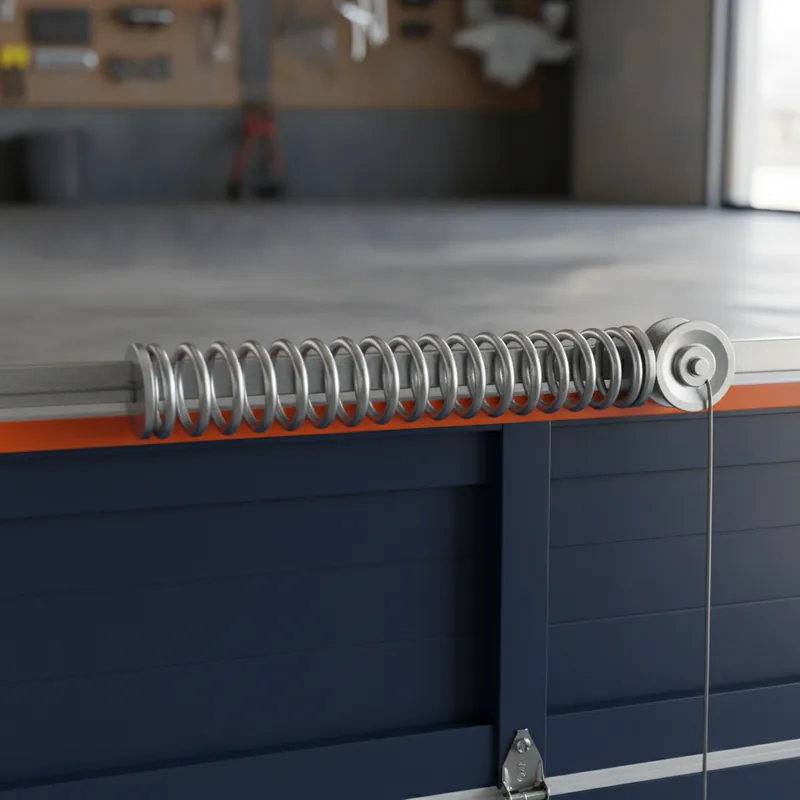
Ocala’s humidity and heat accelerate corrosion on cables and spring coils faster than in drier climates, which means components can look fine on the surface while being significantly weaker than they appear. A cable that seems intact might be one more cycle from snapping. That’s part of why “it looked okay when I checked it” is one of the most common things we hear right before an emergency call — visual inspection alone doesn’t tell the whole story on tension hardware.
The Real Cost Comparison
Homeowners sometimes assume DIY saves real money, but the math is closer than it looks. A professional spring repair in Marion County typically runs toward the lower end of our $424-$1,917 range, and includes a balance check and safety inspection you wouldn’t get from a DIY fix. Compare that to the cost of an ER visit, a damaged vehicle from a door that fell wrong, or simply having to call a technician anyway after a failed attempt — and professional repair usually comes out ahead, not behind.
If you’re not sure which category your problem falls into, that’s exactly what a same-day inspection is for. We’ll tell you honestly if it’s something you could have handled yourself — we’d rather build trust than bill you for a five-minute fix.
What We Actually Check For Free During a Service Call
A lot of homeowners hesitate to call a technician for something that might be minor, worried they’ll be charged a full service fee just to be told to clean a sensor lens. In practice, most legitimate garage door companies, ours included, do a quick visual assessment as part of any visit, and we’ll tell you plainly if what you’re dealing with is something you could have handled yourself. We’d rather you trust us with the next call than pad a bill on something small — that reputation matters more in a market the size of Ocala than any single invoice.
This also means it’s genuinely fine to call with something you’re not sure about. “I don’t know if this needs a technician or not” is one of the most common phrases we hear, and it’s exactly the right instinct — better to ask than to guess wrong in either direction, spending money on an unnecessary service call or, worse, attempting a repair that was never safe to do yourself.
At the end of the day, the DIY-vs-professional line isn’t about skill level — plenty of very capable, mechanically confident homeowners in Ocala still call us for spring and cable work, not because they couldn’t figure it out, but because the margin for error on stored tension hardware is genuinely unforgiving. Save the DIY energy for the sensors, the lubrication, and the loose bolts, and let a licensed technician handle anything that could seriously hurt you if it goes wrong.
Frequently Asked Questions
Can I replace a garage door spring myself if I watch a video first?
We strongly advise against it. Torsion springs store enough energy to cause serious injury, and the specialized tools and technique required aren’t something a video substitutes for.
What garage door maintenance is actually safe to do myself?
Lubricating hinges and rollers, cleaning sensor lenses, tightening visible loose hardware not under tension, and reprogramming remotes are all reasonable DIY tasks.
How do I know if my garage door problem is DIY-safe or not?
If it involves the springs, cables, or the door won’t move at all, treat it as a professional job. If it’s a noise, a dirty sensor, or a remote issue, it’s usually safe to try yourself first.
Related Garage Door Services in Ocala, FL