 Garage Door Repair Ocala
 How Long Does a Garage Door Really Last in Florida?
“How long should this actually last?” is one of the most common questions we get, usually from a homeowner trying to decide between another repair and a full replacement. The honest answer is that a garage door isn’t one component with one lifespan — it’s a system of parts that wear out at different rates, and Florida’s climate specifically shifts those timelines compared to national averages you’ll find in most buying guides.
The Door Panel Itself: 20-30 Years
A quality steel door panel, properly maintained, can genuinely last two to three decades. This is the part homeowners assume determines the door’s overall lifespan, but in practice, other components usually need attention long before the panels themselves are the limiting factor — unless there’s been storm damage or accumulated dents that compromise the structure.
Springs: 7-12 Years (or 10,000-15,000 Cycles)
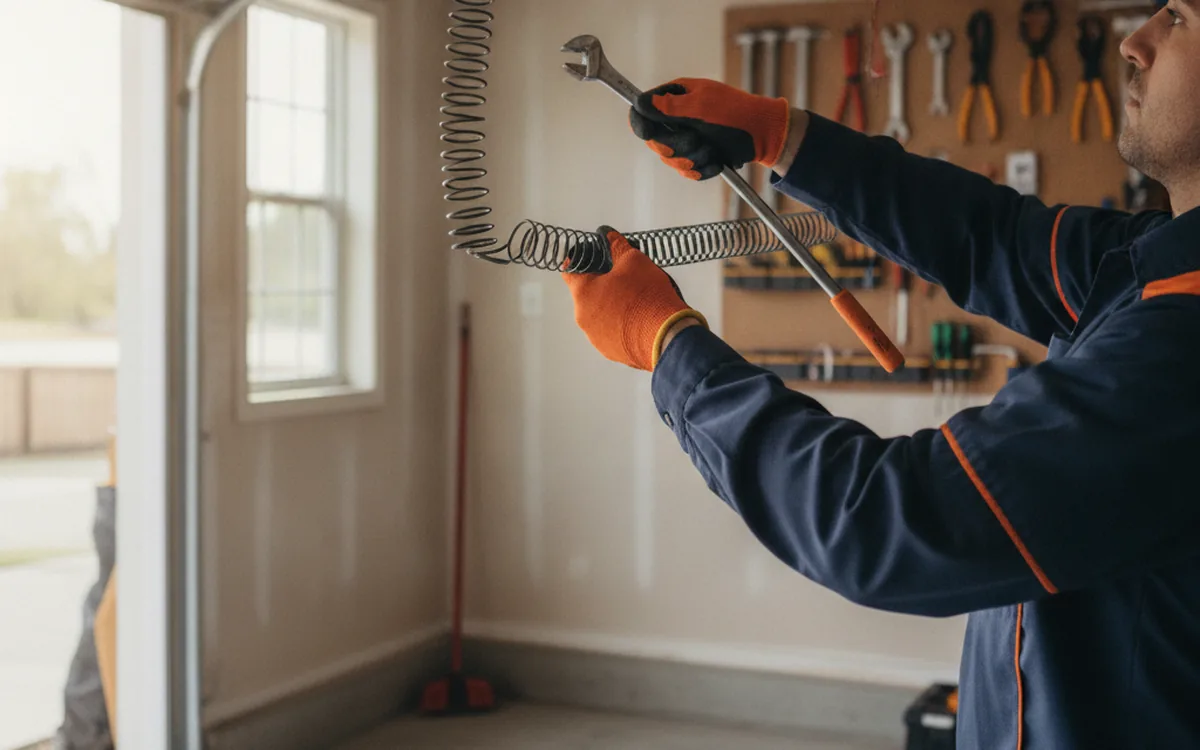
Springs are rated by cycle count, not calendar years, which is why usage matters as much as age. A door opened 4 times a day averages out to roughly 7-9 years before a torsion spring reaches the end of its rated life; heavier daily use shortens that. Spring replacement is one of the most predictable maintenance items on the entire system.
Cables: Similar to Springs, Often Replaced Together
Since cables work under similar tension cycles as springs, they tend to wear out on a comparable timeline, and we typically replace both together as a matched pair rather than waiting for the second to fail separately a few months later.
Rollers: 7-10 Years, Less for Steel
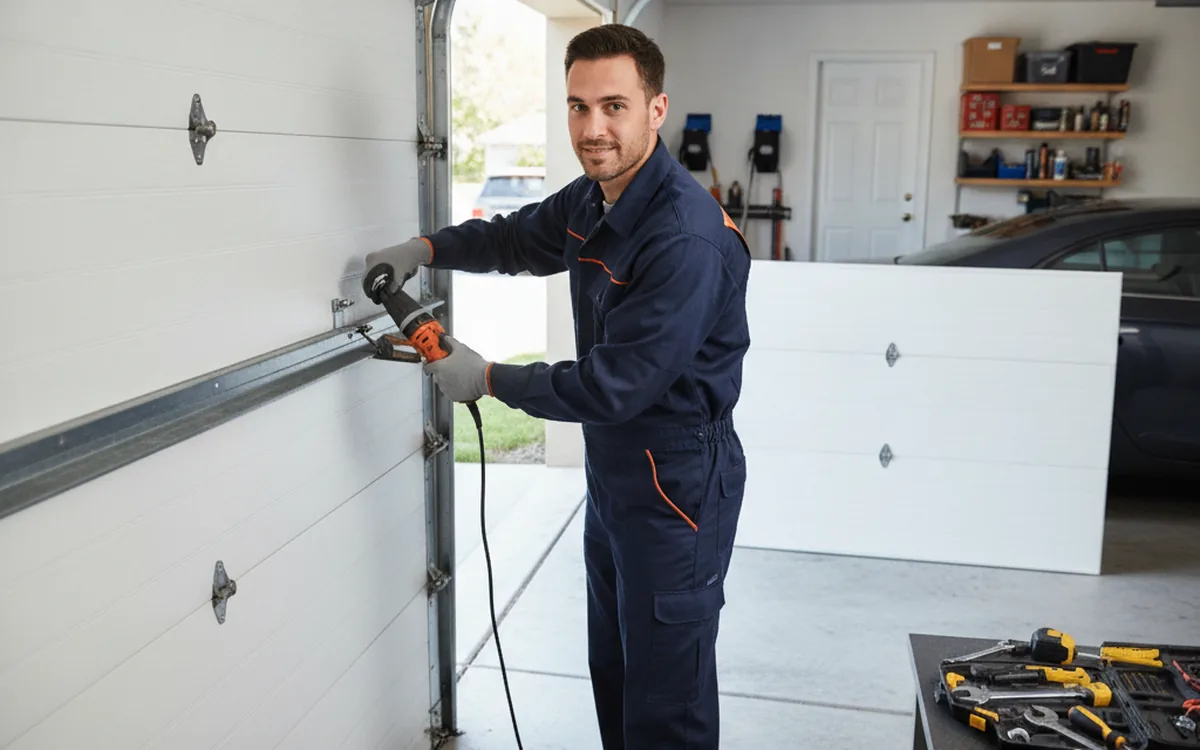
Standard steel rollers wear faster than sealed-bearing nylon rollers, and Ocala’s dust and humidity accelerate this further. A roller upgrade to nylon during a routine service is a common recommendation for anyone wanting to extend this particular component’s life.
Weatherstripping: 3-5 Years in Florida
This is the component most affected by our specific climate. National averages for weatherstripping lifespan don’t really apply here — Florida’s UV exposure and heat cause rubber seals to crack and shrink noticeably faster than in milder states, closer to 3-5 years rather than the 5-10 years you’d see in a national buying guide.
Openers: 10-15 Years
A quality opener motor typically lasts a decade or more with reasonable maintenance, though one running against a poorly balanced door (from worn springs) will burn out significantly faster than one properly balanced, which is part of why balance issues matter beyond just the immediate symptom.
Hinges and Hardware: 10+ Years, But Watch for Corrosion
Standard hinges last a long time mechanically, but Marion County’s humidity means corrosion is often the real limiting factor rather than mechanical wear — a visibly rusted hinge is worth replacing well before it would actually fail structurally.
The Real Takeaway
Because different parts age on different schedules, the honest way to extend your garage door’s overall useful life is a regular tune-up that catches each component near the end of its individual lifespan, rather than waiting for a full-system replacement. Most Ocala homeowners get a genuinely long life out of the panels themselves while replacing springs, cables, weatherstripping, and rollers on their own more predictable schedules along the way — which is also, dollar for dollar, far cheaper than premature full replacement.
Repair or Replace? A Simple Way to Decide
When a door is getting older and something breaks, the repair-versus-replace question usually comes down to whether the failing part is isolated or symptomatic of the whole system aging out together. A single worn component on an otherwise sound door — a spring, a set of cables, a section of weatherstripping — is almost always worth repairing on its own, since the door panels themselves have so much more useful life left. But if you’re facing your second or third major repair within a couple of years, if the panels themselves show real structural wear or storm damage, or if the door is pushing past 20-25 years and increasingly out of step with current insulation and safety standards, that’s usually the point where a full replacement starts making better financial sense than continuing to patch individual parts.
A good rule of thumb: if a single repair estimate approaches half the cost of a new door, or if you’ve had more than two unrelated repairs in the past 18 months, it’s worth getting a straightforward comparison of both options before committing to another repair. We’ll always give you that comparison honestly rather than defaulting to whichever option is more profitable for us. A well-maintained door that’s simply reached the end of its rated component lifespans is a very different situation from one that’s failing prematurely due to neglect, and knowing which one you’re actually looking at changes the right next step considerably.
For most Ocala homeowners, the practical path is simple: keep up with the lower-cost, predictable maintenance items as they come due, address anything new the moment it shows up rather than letting it sit, and treat a genuine multi-part failure or a door well past 20 years as the real signal to start comparing replacement costs seriously instead of committing to yet another isolated repair.
Frequently Asked Questions
What part of a garage door wears out first in Florida?
Weatherstripping typically wears out fastest here, often within 3-5 years due to UV and heat exposure, compared to 5-10 years in milder climates.
Do garage door springs really need to be replaced on a schedule?
Springs are rated by cycle count rather than age, but for average household use, 7-9 years is a reasonable expectation before replacement is needed.
Can regular maintenance actually extend a garage door’s lifespan?
Yes, meaningfully — catching worn components like weatherstripping, rollers, or hardware corrosion early prevents them from stressing other parts of the system and shortening its overall useful life.