 Garage Door Repair Ocala
 The Real Cost of Ignoring a Garage Door Problem
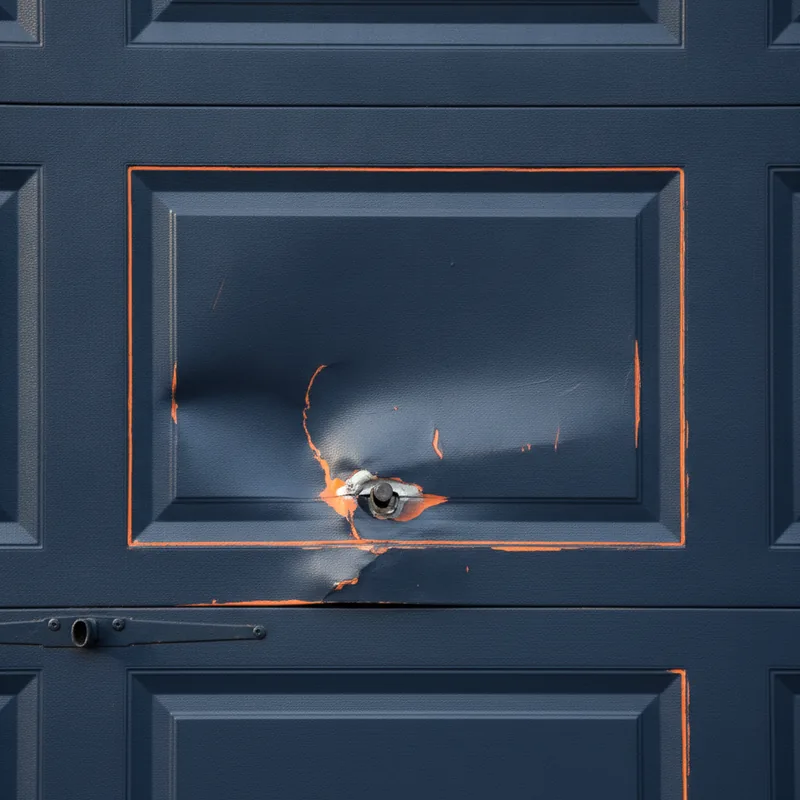
“It’s been like that for months and it’s fine” is one of the more expensive sentences we hear on service calls. Garage door problems have a specific, frustrating pattern: they rarely fix themselves, they almost always get worse, and the gap between “minor annoyance” and “emergency repair” is usually smaller and closer than homeowners expect.
Here’s what actually happens, cost-wise, when common issues get put off in Ocala homes.
A Small Cable Fray Becomes a Snapped Cable
A slightly frayed cable caught early is a straightforward, affordable repair. Left alone, that same cable eventually snaps — usually without warning, often mid-cycle — and a snapped cable can let a door drop suddenly or hang crooked in a way that stresses the opener and the remaining hardware. What would have been a simple planned repair becomes an emergency call, sometimes with additional damage to the opener from the extra strain.
A Minor Spring Imbalance Turns Into Full Spring Failure
A door that’s started to feel slightly heavier, or an opener that’s begun straining more than usual, is telling you the springs are losing tension. Ignored, that imbalance accelerates — the opener works harder, the remaining tension wears unevenly, and eventually the spring fails completely, often trapping the door either fully open (a security problem) or fully closed (an access problem) until it’s repaired.
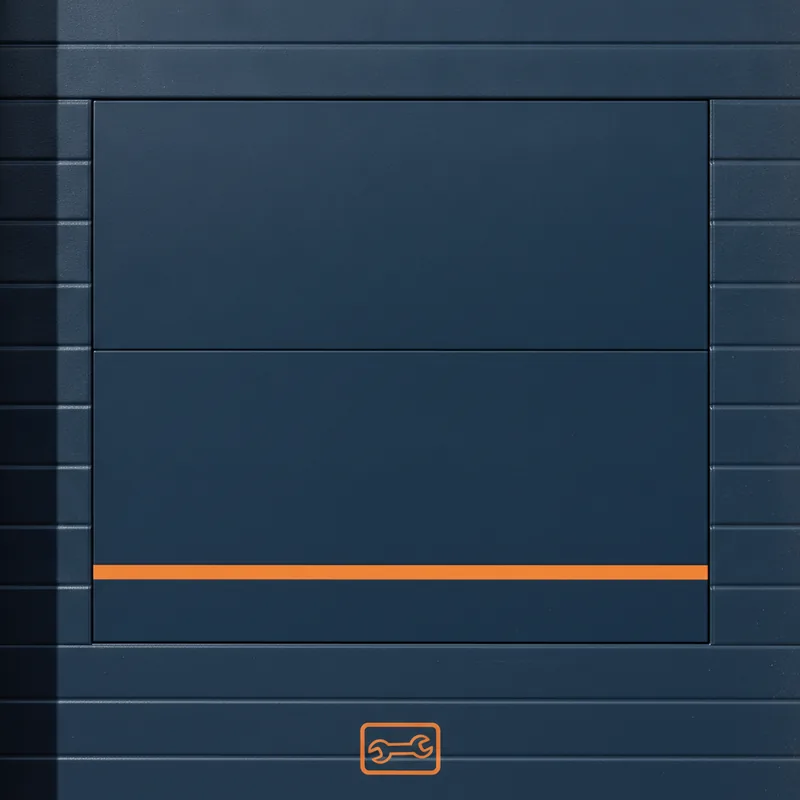
A Small Dent Becomes a Structural Problem
A minor dent from a bumped car or storm debris is often purely cosmetic at first. But a dent that goes unaddressed can, over time and repeated cycling, worsen into a crease that affects the panel’s structural integrity, or start catching on the track and causing further damage to rollers and hardware with every open and close.
Ignored Track Misalignment Damages Multiple Systems
A slightly misaligned track that just causes some noise at first will, over enough cycles, wear rollers unevenly, put uneven stress on cables, and can eventually cause a roller to jump the track entirely — turning a $150-range fix into a multi-part repair involving track, rollers, and potentially cables all at once.
The Pattern Behind All of These
Garage door systems are interconnected — springs, cables, track, rollers, and the opener all share the mechanical load, and a problem in one component puts extra stress on the others. That’s the core reason small, ignored issues compound rather than staying isolated. What starts as a single-part repair in the $150-400 range can become a $800-1,500+ repair touching multiple systems, simply from months of continued use under abnormal stress.
The Emergency Call Is Also More Expensive Timing-Wise
Beyond the parts and labor, an emergency failure has a habit of happening at the worst possible moment — trapping a car inside before a work trip, or leaving a door stuck open overnight. Our emergency same-day service gets to you fast when that happens, but a planned repair booked on your schedule is always going to be less disruptive than an emergency one, regardless of the dollar amount.
The Simple Fix: Don’t Wait on the Warning Signs
If something about your garage door has changed — a new sound, a slight lean, a bit more resistance — that’s the cheapest moment to call. Most of what we’ve described above starts as a repair well within the lower half of Marion County’s $424-$1,917 typical range, and only grows from there the longer it’s left alone.
A Realistic Example: What “Waiting a Few Months” Can Look Like
Picture a homeowner who notices a slightly frayed cable in early spring. It’s not snapped, the door still works, so it gets put off. By early summer, the fraying has progressed under continued daily tension cycles, and one afternoon the cable finally lets go while the door is mid-cycle. The door drops unevenly, catching against the track hard enough to bend it and knock two rollers loose. What would have been a straightforward cable replacement in the spring — typically among the more affordable repairs we do — is now a same-day emergency call involving cable replacement, track repair, and roller replacement all at once, plus a rebalance and full safety inspection to make sure nothing else was affected by the sudden drop.
This isn’t an exaggerated worst case — it’s close to the median story behind our emergency calls involving cables and springs. The mechanical logic is simple: a system under constant tension doesn’t fail in isolation, and the parts nearest the point of failure usually take some damage on the way down. Addressing the fray in spring would have meant one part, one visit, and a lower bill. Waiting turned it into three parts, one visit, and a bill closer to double.
The fix isn’t complicated — it’s just consistency. Noticing a change, however small, and getting it looked at within a reasonable window is the entire strategy. You don’t need to overreact to every new sound, but you also shouldn’t let “it’s still working, technically” be the bar for waiting indefinitely.
Frequently Asked Questions
How much more expensive is an emergency garage door repair versus a planned one?
It varies, but ignored issues often compound into multi-part repairs — what starts as a $150-400 single-component fix can become an $800-1,500+ repair once other parts are affected by prolonged abnormal stress.
Is it ever okay to just keep using a garage door with a known issue?
For truly minor cosmetic issues, sometimes — but anything involving noise changes, uneven movement, or visible fraying on cables or springs should be addressed promptly, since these tend to worsen with continued use.
What’s the most common ‘small problem that became big’ you see in Ocala?
Frayed cables and early spring imbalance are the two most common — both are inexpensive to fix early and both frequently escalate into full emergency failures when left alone.
Related Garage Door Services in Ocala, FL